
Investing
Buying Off-Plan Property in Nigeria: Risks & Benefits
By Mr Don.N · 26 October 2026 · 8 minutes read
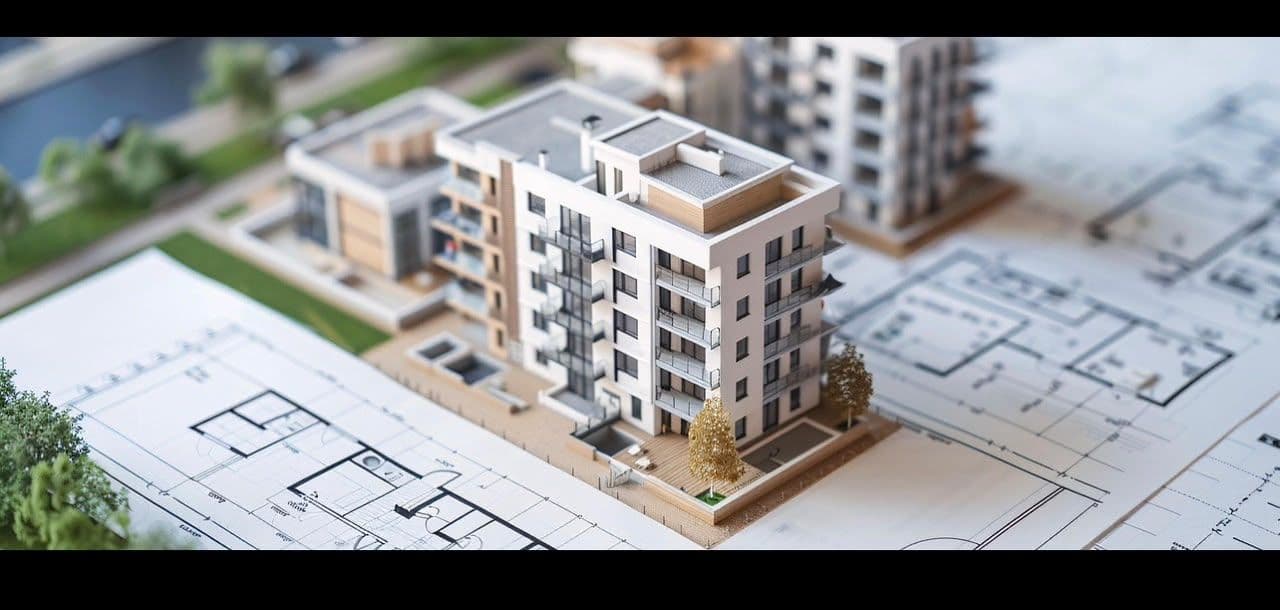
Buying Off-Plan Property in Nigeria: Benefits, Risks and What Every Buyer Should Check.
Imagine finding an apartment that matches your taste, fits your plans and offers a payment arrangement that gives you time to organised your finances. You visit the development site, see the architectural designs and picture yourself living in the finished property.
There is one important detail, though: the property is not yet complete.
This is what makes buying off-plan property different from buying a finished home. You are making a purchase based partly on what exists today and partly on what the developer has promised to deliver in the future.
For many buyers in Lagos and across Nigeria, off-plan property can offer an appealing route towards home ownership. However, it also requires careful research, clear contractual terms and a realistic understanding of the risks.
So, is buying off-plan property a good decision? The answer depends on the particular development, the developer, the agreement and your personal circumstances. In this guide to explains how off-plan property works, its potential benefits, the risks to understand and the practical steps to take before committing your money.
What is off-plan property?
Off-plan property refers to a house, apartment or other property purchased before construction is completed. In some cases, construction may already be underway; in others, the development may still be at the planning stage.
Buyers usually make their decision using architectural drawings, floor plans, specifications, project information and the terms offered by the developer.
Payments may be made in installment over an agreed period, although arrangements differ from one project to another.
For example, imagine a developer offering an apartment in a residential development that is still under construction. You review the proposed layout, specifications, purchase price and payment schedule, then decide whether to buy before the building is completed. You are not simply choosing an apartment. You are also assessing whether the developer can deliver the agreed property under the terms of your contract.
That distinction is important because the finished building cannot always be fully inspected at the time of purchase.
What are the benefits of buying off-plan property?
Off-plan purchases can offer several advantages when the project and contract are suitable for the buyer However, none of these benefits is automatic.
- More time to plan your payments: Some developers offer installment plans that allow buyers to spread payments over an agreed period rather than paying the entire purchase price at once. This can make budgeting more manageable for people who have a clear income plan and can meet the payment deadlines.
However, always check the total purchase price, installment dates, additional charges and consequences of missed payments. A payment plan is only helpful if it is realistic for your financial situation.
2. An opportunity to choose a preferred unit: Buying early may give you more options when selecting a unit, depending on availability.
You may be able to choose a preferred floor, layout, orientation or position within the development. Some projects may also offer choices regarding certain finishes. These options are not guaranteed, so ask the developer what choices are available and ensure the agreed details are documented.
3.Time to prepare for ownership: If construction is progressing according to the agreed schedule, an off-plan purchase may give you time to plan your move, organised furnishing or prepare for future occupancy.
For buyers purchasing a home for their family, this planning period may be useful. However, construction schedules can change. Avoid making irreversible arrangements based solely on an estimated handover date.
4.The possibility of buying at an attractive price: Some off-plan properties are marketed at prices that differ from comparable completed properties. This may appeal to buyers who are comparing different purchase options.
But an advertised discount does not automatically mean the property is good value. Compare the price with similar properties, consider the total costs and assess the developer's ability to complete the project.
Important: Buying off-plan does not guarantee property appreciation, rental income or a profit when reselling. Future value depends on several factors, including market conditions, location, demand, property quality and the price you pay.
What are the risks of buying off-plan property?
Understanding the risks is just as important as understanding the benefits. Since the property is not yet complete, some important aspects of your purchase depend on future events.
- Construction delays: A project may take longer than originally expected because of funding challenges, material shortages, weather conditions, approval issues or other circumstances. A delay can affect your plans, particularly if you are buying the property to move into by a specific date.
What to do: Ask for a written completion schedule and check the contract for provisions covering delays, extensions and the options available to you if the agreed timeline changes.
- The developer may fail to complete the project: One of the most serious risks is that a development may stall or remain unfinished.
This is why you should investigate the developer's track record, the project's funding and progress, and the legal terms governing your payments before committing.
Ask to visit previously completed projects and, where possible, speak with buyers who have dealt with the developer before.
- The finished property may differ from the original presentation: Architectural renders and brochures can help you visualize a proposed development, but they are not the same as a completed building.
Finishes, fittings, layouts or shared facilities may differ if the contract permits changes or the specifications are not clearly defined.
What to do: Request detailed written specifications. Clarify which features are included in the purchase price, which may change and what process applies if the final delivery differs from the agreement.
- Problems with land title or approvals: Even a well-designed project can present serious problems if the underlying land rights or relevant approvals are not in order. A buyer should not assume that a developer's marketing materials or the existence of a construction site proves that every legal requirement has been met.
What to do: Have an independent property lawyer investigate the land title, the developer's authority to sell and the approvals relevant to the development.
- Unexpected costs: An advertised purchase price may not include every expense associated with ownership.Depending on the transaction, additional costs may include legal fees, documentation charges, applicable taxes, registration costs, service charges, utilities and furnishing.
Request a written breakdown before committing so you can understand the overall financial obligation.
Seven things to check before buying off-plan property in Nigeria,
Before making a payment, work through the following checks. They can help you identify important questions early, although they cannot eliminate every risk.
- Verify the developer's identity and track record: Find out which company is responsible for the development and who is authorised to represent it.
Research the company's history and ask for details of completed projects. If possible, visit those developments and speak with previous buyers. For a property in Lagos, check the applicable registration or licensing requirements with the Lagos State Real Estate Regulatory Authority (LASRERA). Its official platform provides information about real estate practitioner and organisation verification. A registration or licence check is only one part of your assessment; it does not by itself establish that a particular property's title is valid or that the project will be completed. - Verify the land title and relevant approvals: Ask what legal interest the developer holds in the land and request the relevant documents.
An independent lawyer should determine which searches and approvals are appropriate for the particular property. These may involve checking ownership records, restrictions, competing interests and relevant planning or building approvals. Do not rely on a receipt, brochure or allocation letter as a substitute for a full legal investigation. - Visit the actual development site: If construction has started, visit the site where possible. Observe the current stage of work and ask for an explanation of the next construction milestones.
If you cannot visit in person, particularly if you live outside Nigeria, arrange for a trusted independent professional to inspect the site and report back to you. Photographs and videos can be helpful, but they should not be your only evidence of project progress. - Read the contract before paying:Have your own lawyer review the sale agreement before you sign.
Make sure the agreement clearly identifies the property, purchase price, payment schedule, specifications, expected completion date and handover conditions. It should also explain the parties' responsibilities and the options available if payments are missed, construction is delayed, the project changes or the transaction is cancelled.
Pay particular attention to refund terms. Do not assume you will automatically receive your money back if the project does not proceed as planned. - Understand the payment schedule: Ask for the complete payment plan in writing. Clarify how much is due upfront, when each installment must be paid and what happens if you cannot meet a deadline. Where feasible, discuss with your lawyer whether payments can be linked to verifiable construction milestones and whether any independent payment-protection arrangements are available.
Do not agree to a payment schedule that leaves you financially stretched or depends on income you cannot reasonably expect to receive. - Confirm the specifications and handover terms: Ask for a detailed description of what you are purchasing. Depending on the development, this may include the unit size, room layout, fittings, finishes, parking arrangements and shared facilities. Confirm the expected handover date and ask what happens if the finished property differs from the agreed specifications.
Also ask about inspections, outstanding work, defect reporting and any applicable warranty or after-sales support. Ensure the details are included in the agreement or relevant written documents. - Calculate the total cost and assess affordability: Look beyond the initial deposit. Consider the full purchase price, transaction costs and likely expenses after handover.
If you are purchasing for rental purposes, research comparable rents, likely vacancy periods, maintenance costs and management expenses. Do not rely on projected returns without examining the assumptions behind them.
Your purchase should make sense for your financial position and intended use, even if the market does not perform exactly as expected.
Warning signs you should not ignore;
Pause and investigate further if you notice any of the following:
The seller pressures you to pay immediately before you can check the documents.
The developer refuses reasonable site visits or independent verification.
The payment recipient's identity does not match the agreed transaction.
Important promises are made verbally but omitted from the contract.
The developer cannot clearly explain the project's status or completion arrangements.
The contract leaves key costs, specifications or refund terms unclear.
You are encouraged to make a decision based on guaranteed profits or appreciation.
One warning sign does not necessarily prove wrong doing, but it is a reason to ask more questions and obtain independent advice before proceeding.
Is off-plan property better than a completed property?
Neither option is automatically better. The right choice depends on what you need, your financial position and the specific property.
If you need a home by a particular date, a completed property may make it easier to assess the building and plan your move. If you have more flexibility and find an off-plan project with satisfactory documentation, terms and progress, it may be worth considering.
Frequently asked questions:
Is buying off-plan property in Nigeria safe? It can be appropriate for some buyers, but it carries risks. Verify the developer, land title, relevant approvals, payment terms and contract before paying. Seek independent legal advice.
Can I get my money back if the developer does not complete the property?
That depends on the contract, the circumstances and the applicable law. Review the refund, cancellation and delay provisions with a lawyer before signing. Do not assume a refund is automatic.
Can Nigerians living abroad buy off-plan property in Lagos?
Yes, they can explore opportunities, but remote buyers should take particular care with independent title checks, verified payment instructions, site inspections and contract review. Consider appointing a trusted professional who represents your interests independently.
Does buying off-plan guarantee a cheaper property?
No. Prices vary between projects, and an advertised launch price does not prove that a property is cheaper than comparable alternatives. Compare the total cost, specifications, location and delivery risks.
Thinking about your next property purchase?
Contact Dozek Group to enquire about available properties and request more information.
Call: +234 808 251 8441 or +234 706 441 1391
Email: sales@dozekgroup.com